White Noise Guides
Practical articles about white noise, fan sounds, appliance hum, sleep volume, and choosing steady background audio for your room.
- White Noise for Sleep: A Practical Listening Guide
A practical guide to using white noise for sleep, including volume, timing, sound selection, and comfortable overnight listening habits.
- Fan Noise vs White Noise: Which Is Better for Sleep?
Compare fan noise and white noise for sleep, focus, and masking so you can choose a background sound that fits your room and listening style.
- Rain Sounds for Sleep: When They Work Best
A practical rain sounds guide for sleep, relaxation, reading, and background ambience, including how to choose steady rainfall textures.
- How to Use Background Noise for Focus and Study
Learn how steady background noise can support focus and study routines without speech, lyrics, sudden changes, or distracting sound movement.
- White Noise, Brown Noise, and Pink Noise: Simple Differences
A plain-English guide to white noise, brown noise, and pink noise, with practical listening differences for sleep, focus, and masking.
- Best Volume Level for Sleep Sounds
A practical volume guide for sleep sounds, including comfortable listening levels, speaker placement, and avoiding harsh overnight playback.
Browse all Findnoise guides
About White Noise
White Noise on Findnoise collects original appliance, fan, airflow, and mechanical ambience recordings with stable sound profiles. The category is designed for visitors who want to compare real-world sources rather than choose from abstract noise labels alone.
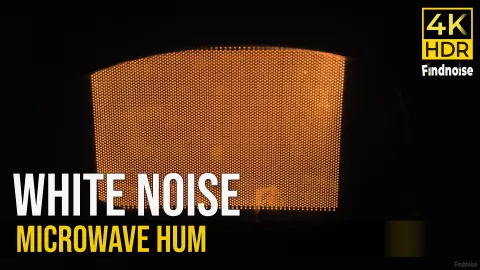
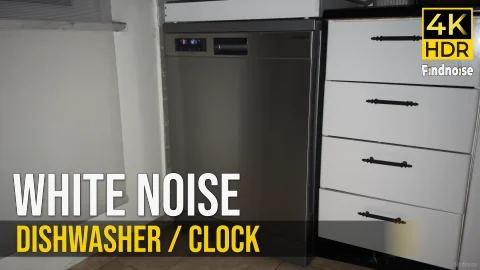
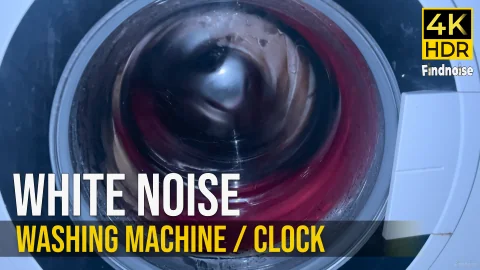
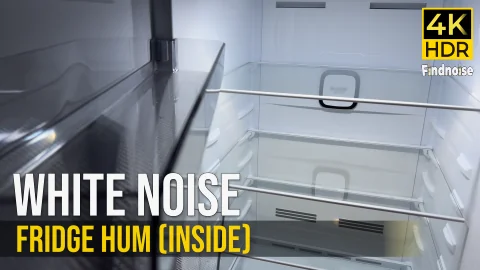
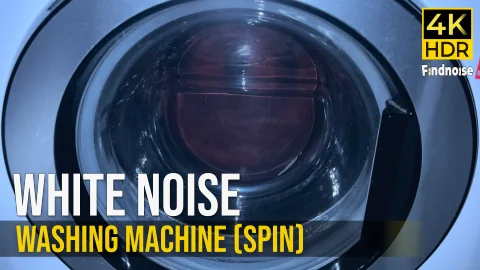
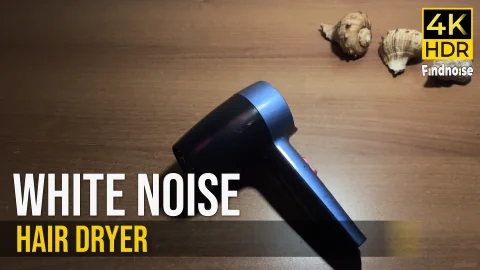
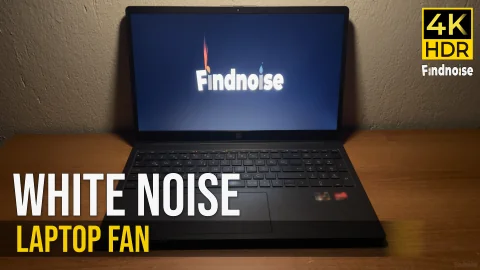
The recordings in this section are not interchangeable. A refrigerator hum, laptop fan, range hood, washing machine, freezer, heater fan, and dryer each have different density, pitch, room feel, and masking behavior. The category page gives the overview, while each post documents the individual source and listening character.
This section avoids presenting white noise as a promised outcome. The practical use is background sound: keeping a room from feeling too silent, reducing contrast from small distractions, or providing a predictable acoustic layer during reading, work, rest, or other quiet routines.
Each card leads to a dedicated page with source notes, visual context, related sounds, and concise internal links. That structure helps visitors compare similar appliance recordings without making every page read like the same article under a different title.
How to compare white-noise recordings
White-noise pages on Findnoise are grouped by the real source that produced the sound. A fan, a refrigerator, a dishwasher, a microwave, a heater, a water filter, and a washing machine can all create steady background audio, but they do not feel the same in a room. Some sources have a soft low hum, some include airflow, some carry water movement, and some have a sharper mechanical edge.
This category helps visitors compare those differences before choosing a long playback page. The title and thumbnail show the broad subject, while the article text explains the sound character, room setting, recording notes, and closest alternatives. This prevents similar appliance pages from becoming interchangeable and gives each recording a practical reason to exist inside the library.
What this category is not
The White Noise section is not written as a list of promised outcomes. It does not claim that a sound will solve a health problem or work the same way for every listener. Instead, the pages describe steady background audio in ordinary terms: source, texture, volume comfort, consistency, and whether the recording is better suited to foreground listening or a low room layer.
Visitors who want a softer sound can move toward refrigerator, freezer, or heater hums. Visitors who prefer stronger masking can compare range hood, vacuum, blow dryer, washing machine, and dishwasher recordings. The category therefore acts as a practical index for real source recordings rather than a collection of duplicated white-noise labels.
Recording transparency in this category
Every recording in the White Noise category is connected to a visible source and a specific scene. The articles describe whether the sound comes from a kitchen appliance, laundry machine, fan, heater, airflow source, or water movement. This source-first structure helps visitors understand why two recordings with similar labels may still behave differently during long listening sessions.
The category also gives the site a clear internal structure. A visitor can open a card, read the source notes, compare related sounds, return to the category, or continue to a guide without leaving the Findnoise library. This makes the page useful as a hub instead of a thin list of repeated video embeds.