
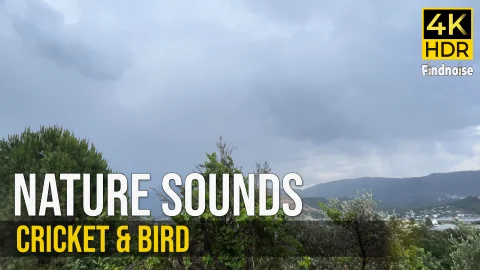
Nature Sounds
About Nature Sounds
Nature sounds offer a calmer environmental backdrop built from organic outdoor textures, subtle movement, and a more open ambient feel. These recordings can support relaxation, reading, quiet focus, and background listening when a listener wants something less mechanical than appliance noise.
The nature ambience in this category emphasizes natural presence and steady listening comfort. It is designed to remain easy to follow over longer sessions without becoming overly sharp, crowded, or distracting.
For listeners who enjoy outdoor-inspired backgrounds, nature sounds can provide a gentle alternative to white noise while still helping the room feel more settled and consistent.
This section remains focused rather than oversized, but it gives the library an important non-mechanical option. Visitors who want outdoor atmosphere with natural detail can reach it directly instead of filtering through appliance hums or weather recordings that create a different listening mood.
When Nature Sounds Work Best
Nature sounds are useful when a listener wants an organic outdoor background instead of a mechanical hum or a neutral noise layer. Small natural details such as crickets, birds, distant movement, and open-air ambience can make a room feel calmer without relying on music or spoken audio.
This category is designed for sleep preparation, quiet reading, gentle focus, relaxation, and background listening during slower routines. The recordings should feel steady enough for long sessions while still preserving natural texture and a sense of place.
Listeners who find white noise too plain may prefer nature ambience because it has more recognizable environmental detail. At the same time, the category avoids overly busy scenes so the sound can remain comfortable during rest, study, or low-light evening use.
How This Category Fits the Library
Findnoise keeps nature sounds separate from rain sounds, fireplace ambience, and appliance-based white noise so visitors can choose the right sound family quickly. Nature pages focus on outdoor atmosphere, while rain pages focus on weather, fireplace pages focus on warmth, and white noise pages focus on steadier masking.
Each nature sound page includes a player and written explanation so the recording is not presented as a bare embed. The page context explains the listening use, sound character, and relationship to nearby categories, helping visitors compare options before opening a long 10-hour recording.
For overnight listening, keep the volume moderate and avoid placing the speaker too close to the ear. Nature ambience works best as a gentle layer in the room, not as a loud foreground track, especially when it is used for sleep or extended background comfort.
How nature ambience differs from rain and appliance hum
Nature ambience has a more organic sound character than appliance-based white noise. Instead of a steady motor, fan, or water-machine texture, nature recordings include outdoor space, small living details, distant movement, and a less mechanical rhythm. This makes the category useful for visitors who want a natural environment without choosing a rain scene or a fireplace recording.
The nature category is kept separate from rain sounds because the listening focus is different. Rain pages are organized around water surfaces, weather distance, and precipitation texture. Nature ambience is organized around open-air presence, small outdoor details, and a gentler environmental backdrop. Keeping those categories separate makes the library easier to browse and reduces confusion between similar calm sound types.
When to choose nature sounds
Nature sounds are a good option when a listener wants background audio that feels more open and less mechanical. They can sit behind reading, quiet tasks, evening routines, or low-volume room ambience. Because natural recordings may contain small details, they are best used at a comfortable level rather than pushed to the foreground.
Visitors who prefer a very steady layer may still choose white noise or fan noise. Visitors who want water movement may prefer rain or hot-tub pages. Nature ambience fills a different role: it provides a softer outdoor impression while staying connected to the rest of the Findnoise sound catalog through related pages and guide links.
Category quality note
This section is written as an editorial category page with its own explanation of source type, listening character, and relationship to nearby sound families. The goal is to help visitors decide whether a natural outdoor recording is the right choice before opening the long playback page. That makes the category useful even when the library keeps the selection focused instead of adding unrelated recordings.
How this page connects to related sounds
The nature category connects with rain recordings, fireplace ambience, and softer white-noise pages because all of those sound families can be used as low room backgrounds. The difference is source character. Nature ambience is based on outdoor environmental detail, while rain is built around water surfaces and appliance pages are built around steady mechanical sources.
This relationship helps visitors move through the site without guessing. Someone who wants organic outdoor texture can begin here, compare the available nature recording, and then move to rain or quieter ambience pages if a different texture feels more suitable. The category therefore acts as a clear entry point instead of an unused archive page.
Choosing a nature scene
Nature ambience works best when the listener wants recognizable outdoor detail without music or narration. Small bird and cricket elements can make the recording feel more alive than a mechanical hum, while the open-air background keeps it connected to the broader ambience library. Visitors who want fewer recognizable details can compare white-noise or fan pages instead.